
EN 356 Safety Glass Grade Selection Guide
Interpretation of Core Standards
EN 356 evaluates the safety grade of glass through two types of tests:
- Impact test: simulates blunt impact (such as hammer)
- Penetration test: detects the penetration ability of tools (such as electric drill)
There are 8 grades in total, P1A-P8A, and the larger the number, the stronger the protection.
Three-step selection method
- Risk classification
– Low risk (P1A-P3A): ordinary residential/office area
– Medium risk (P4A-P5A): convenience store/community bank
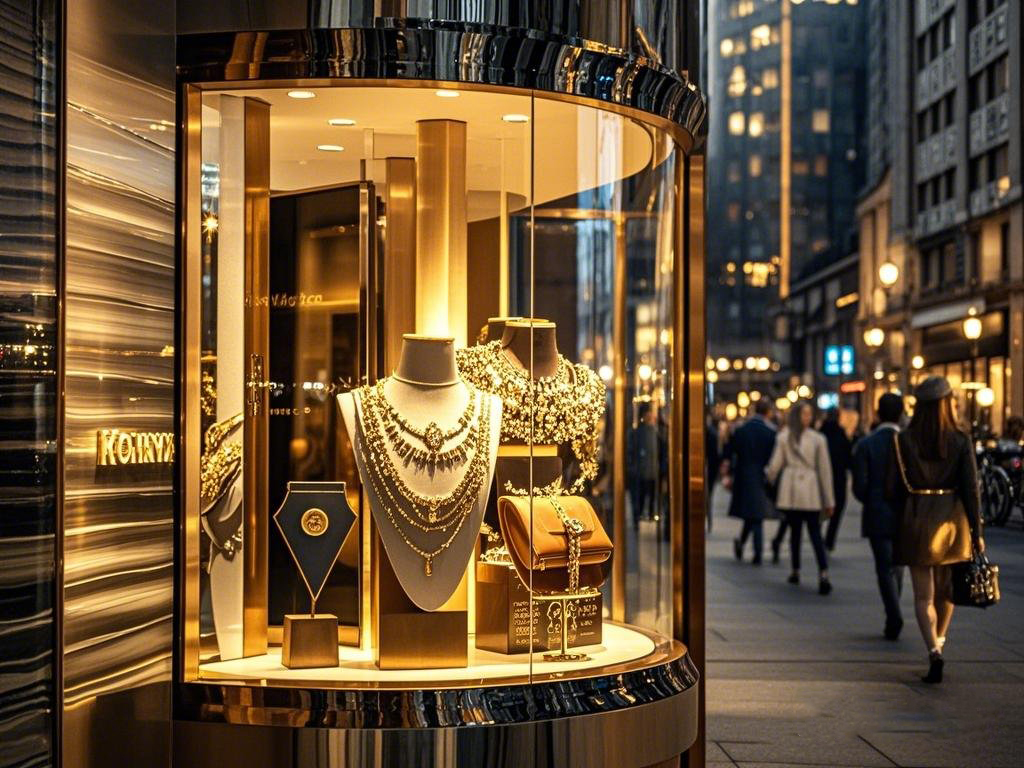
– High risk (P6A-P8A): jewelry store/government facility
- Key parameters
Delay time: P6A can provide ≥20 minutes security response time
Tool resistance: high level can protect against electric drill/cutting machine, low level can only protect against blunt tools
- Comprehensive consideration
Light transmission balance: high safety glass light transmittance slightly reduced
Cost optimization: P6A+ cost increases, it is recommended to upgrade key areas (such as P7A for core display cabinets in museums, P5A for other areas)
Typical scenario solutions
| Scenario | Need | Recommended Solution |
| Bank Window | Anti-violence impact + visual monitoring | P5A glass + EN 1063 bulletproof layer |
| Museum showcase | Tool-proof + UV-blocking | P7A glass + UV laminated film |
Frequently Asked Questions
❓Must I choose the highest level?
→ Match according to actual risk to avoid over-investment
❓Can other functions be combined?
→ Supports superposition with fire protection (EN 357) and bulletproof (EN 1063)
❓How to verify compliance?
→ Require suppliers to provide third-party test reports
Core Principles
Match risk levels, balance safety and cost, and dynamically upgrade protection solutions.

